
How to Scale a Cold-Formed Steel Business from Design to Production
Light Gauge / Cold-Formed Steel manufacturing has enormous potential for industrialized construction. But adding roll-forming capacity alone does not create a scalable operation. The aim is to increase output without allowing design, coordination and production handovers to become the bottleneck — or requiring more design resources.
As a CFS business grows, the design-to-production workflow comes under increasing pressure. Detailers are asked to produce more drawings. More project information needs to reach manufacturing. Revisions need to reach production quickly enough to keep the factory moving. Every manual handover between disconnected tools creates another opportunity for information to be interpreted incorrectly.
The challenge is therefore not simply how to model faster.
It is how to build a repeatable design-to-production workflow that keeps design decisions, manufacturing rules, production information and revisions connected as the operation grows.
See the complete Vertex BD design-to-production workflow
That is the subject of our webinar, How to Scale Your Cold-Formed Steel Business with Vertex BD.
In the webinar I show an overview of modeling features and explain the principles behind a scalable CFS operation — from the building model and framing rules through production drawings, material information and CNC data.
We want to give you a clear idea on how Vertex BD can help manufacturers connect detailing with manufacturing, make company-specific production practices repeatable, react to design changes and develop production-critical information from the building model.
Put your manufacturing knowledge into the system
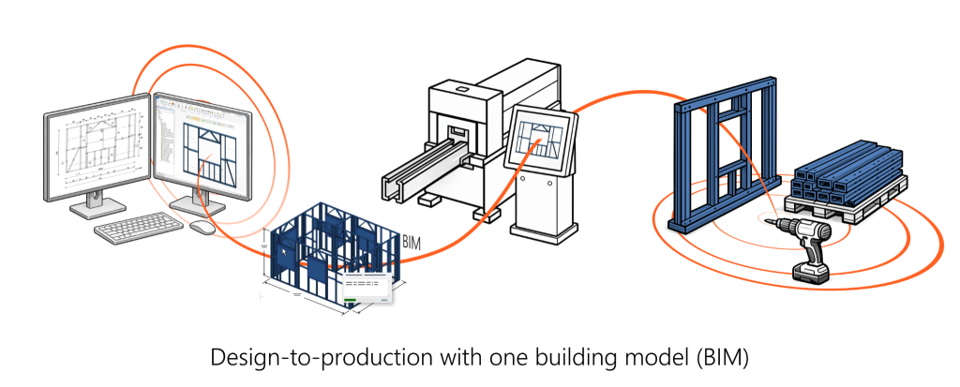
Modeling faster only helps if the information created in design can continue toward production.
Vertex BD uses the building model as the foundation for panelization, framing, production drawings, material information and CNC data.
From the same model, a CFS manufacturer can develop production drawings, general arrangement drawings, bills of materials, work orders, CNC data, assembly information and other production-critical outputs.
This reduces the need to repeatedly translate project information between separate tools and departments.
Make your expert manufacturing knowledge repeatable
Modeling faster also has limited value if experienced detailers need to solve the same production problems again on every project.
Every CFS manufacturer develops its own way of building. Vertex BD can incorporate wall libraries, stud spacing, connections, blocking, openings, bracing, service holes, sheathing rules and other manufacturing-specific details into the design system.
Your established practices can become part of a repeatable workflow rather than knowledge that has to be manually recreated project after project.
Keep design changes connected to production
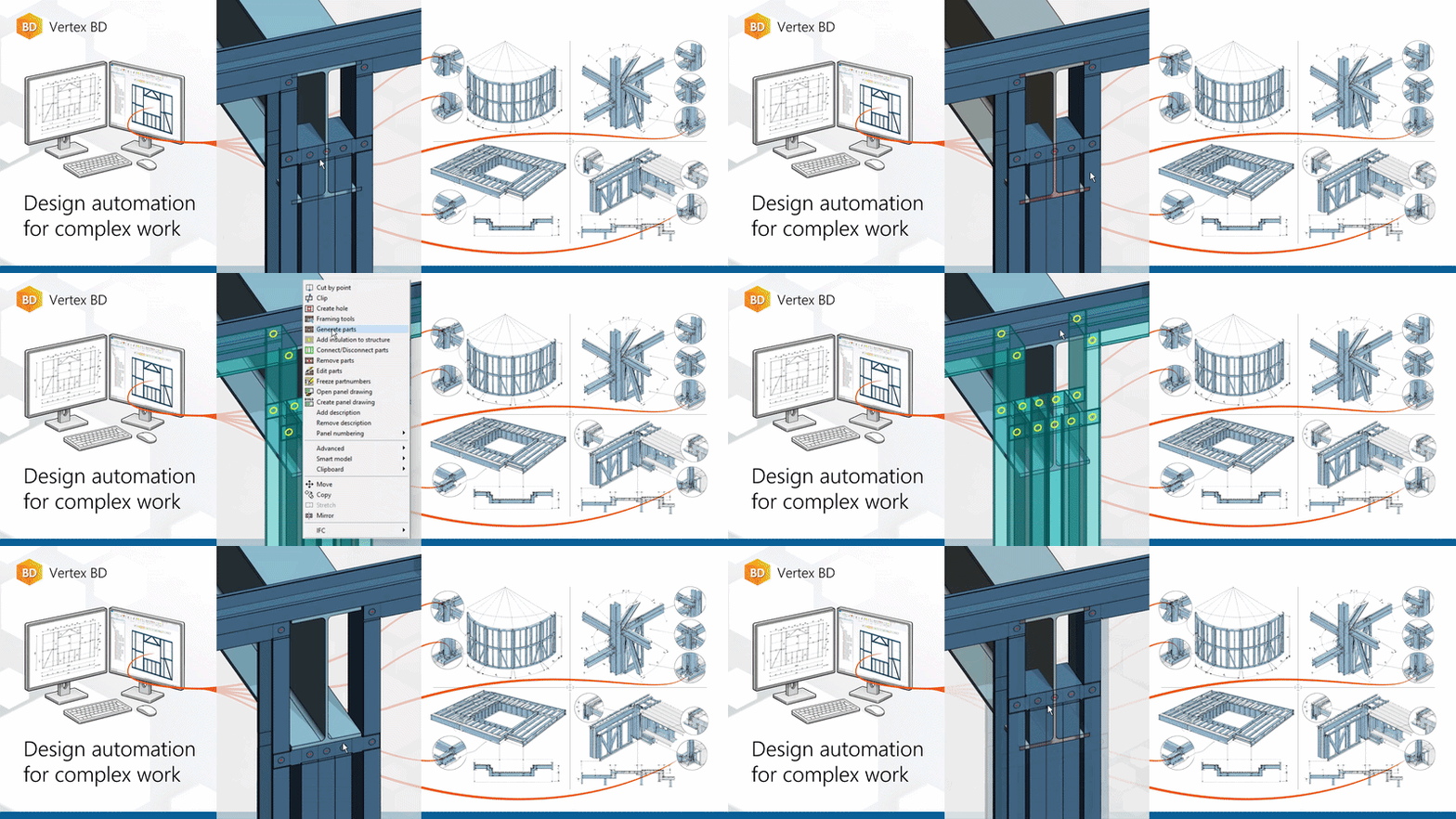
No workflow scales well if revisions always create another round of manual work.
Real projects change. Windows move. Bracing is added. Details are adjusted. Production requirements evolve.
In Vertex BD, the framing model can be modified and affected parts regenerated according to the framing logic defined in the system. Keeping those changes model-based helps reduce the risk of outdated or incorrect information reaching production.
Keep production information connected when it leaves design

Even a connected design model loses some of its value if current drawings, documents and revisions then have to be distributed through email attachments and local file copies.
Vertex Sync extends access to project information beyond the design team, helping factory, site and other stakeholders access current models, drawings and documents without relying on repeated file handovers.
The principle remains the same: scalability is not simply about modeling faster. It is about keeping the complete flow of information easier to repeat, update and use.
Our goal at Vertex is to enable stronger CFS business by offering fewer handover errors, more repeatable production, better factory communication, and a clearer path from building model to manufactured product.
Where is the bottleneck in your CFS workflow?
Vertex BD does not have to replace your entire existing process at once. Some manufacturers implement a complete design-to-production workflow, while others begin with a specific bottleneck such as detailing, production drawings, BOMs, machine data or revision handling.
Want to explore how Vertex can help in your operation?
Reach out with the form below or by contacting sales directly.
You can also have a look at other popular Webinars on YouTube channel and Cold-Formed Steel Framing Tutorials.
Vertex BD supports Steelcraft Group’s commitment to delivering precision house framing for Australia’s builders
Vertex BD supports Steelcraft Group’s commitment to delivering precision house framing for Australia’s builders integrated design technology and independent verification underpin one of Queensland’s most trusted framing operations.
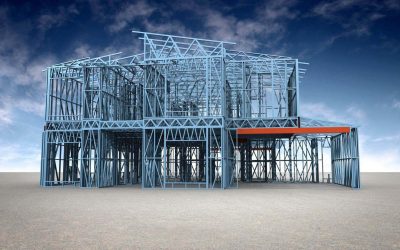
Cold-formed steel design-to-factory automation with Vertex BD
To fully realize the benefits of offsite manufacturing and modular construction, companies need a digital workflow that links the design office directly to fabrication.
Webinar: Build a Scalable Cold-Formed Steel Design-to-Production Business with Vertex BD
Join our July 8 webinar to learn how Vertex BD helps set up a Cold-Formed Steel detailing and manufacturing business for growth. Cold-formed steel construction is growing fast — but turning architectural, engineering, or contractor input, such as IFC/BIM models or DWG...